In the SME/MSME outsourcing world, one of the biggest risks clients face is also one of the least discussed:
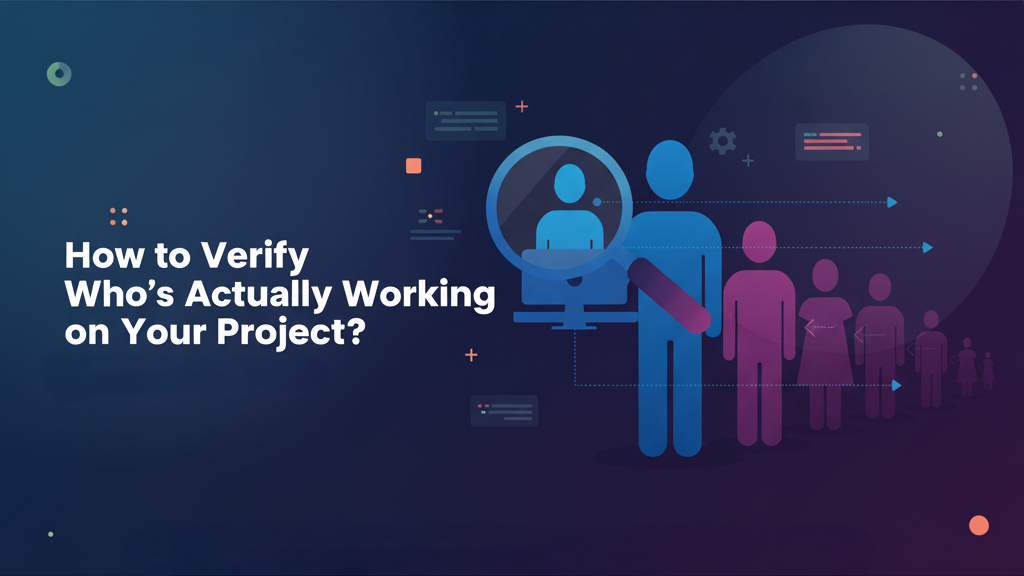
The person you approve is not always the person who does the work.
It sounds surprising, even unlikely but this is a common industry practice hidden behind smooth communication, polished proposals, and reassuring project managers.
Clients interview one engineer.
A completely different engineer works on the code.
And the client never knows.
This isn’t about bad talent it’s about bad transparency.
And if you’re trusting a remote team with your product, your data, and your deadlines, you deserve to know exactly who is touching your systems.
Why This Happens
In many small or mid-sized outsourcing firms, staffing is inconsistent.
People leave suddenly, replacements are junior, or vendors try to fulfil commitments they cannot staff internally.
So instead of admitting resource gaps, teams quietly switch developers in the background.
Sometimes the real developer belongs to:
- another small vendor
- a freelancer working parallel jobs
- a junior who wasn’t interviewed
- or someone not even employed by the company you hired
From the client side, everything looks normal until delivery slows down, quality drops, or knowledge inconsistency becomes obvious.
Why This is a Problem for Clients
When you don’t know who’s working on your project, you face risks like:
➡ inconsistent code quality
➡ zero accountability
➡ lack of business understanding
➡ security or confidentiality issues
➡ single points of failure
➡ lack of continuity when someone leaves
As our CEO said in the discussion:
“Trust is important, but verification is necessary.
The client has the right to know who is actually doing the work.”
How to Verify Who’s Really Working — Practical, Simple Steps
- Meet the Actual Developer on a Call
A short intro call solves most doubts.
If the vendor hesitates or keeps “rescheduling,” that’s a red flag.
- Ask for a Quick Screen-Share Introduction
Let the developer:
➝ Introduce themselves
➝ Show their environment
➝ Share their approach
➝ Talk through the project in their own words
You’ll instantly know if you’re talking to the right person.
- Add a “No Subcontracting” Clause
Your agreement should clearly state:
➝ Only approved individuals can work on the project
➝ No replacements without consent
➝ No rerouting to another vendor or freelancer
➝ Automatic termination/refund if violated
This aligns expectations on both sides.
- Watch for Behavior Clues
Signs the person changed without telling you:
➝ Communication style suddenly shifts
➝ Answers become vague
➝ The developer avoids calls
➝ Delivery inconsistencies start appearing
➝ Someone else starts speaking “on behalf” of the developer
These are subtle, but extremely reliable.
- Conduct Monthly Continuity Checks
Just a short 10–15 minute call each month with the actual engineer:
➝ Keeps alignment
➝ Builds relationship
➝ Protects you against silent staffing swaps
No micromanagement needed, just presence.
What Ethical Outsourcing Looks Like
A transparent outsourcing partner will always:
- introduce the actual working team
- ensure stability
- avoid masked substitutions
- offer continuity plans
- maintain proper handovers
- protect your data and access
Trust is not built through contracts
it’s built through people who stay, show up, and deliver consistently.
Final Thought
You don’t need control.
You just need clarity.
A simple verification process can prevent miscommunication, protect your investment, and ensure you’re getting the expertise you’re paying for.
Declaration
These insights are based on what we’ve observed across the SME and MSME segments of the Indian outsourcing ecosystem. Larger organizations may operate differently. Our goal is to promote awareness and ethical collaboration; not to generalize or target any specific company or individual.